
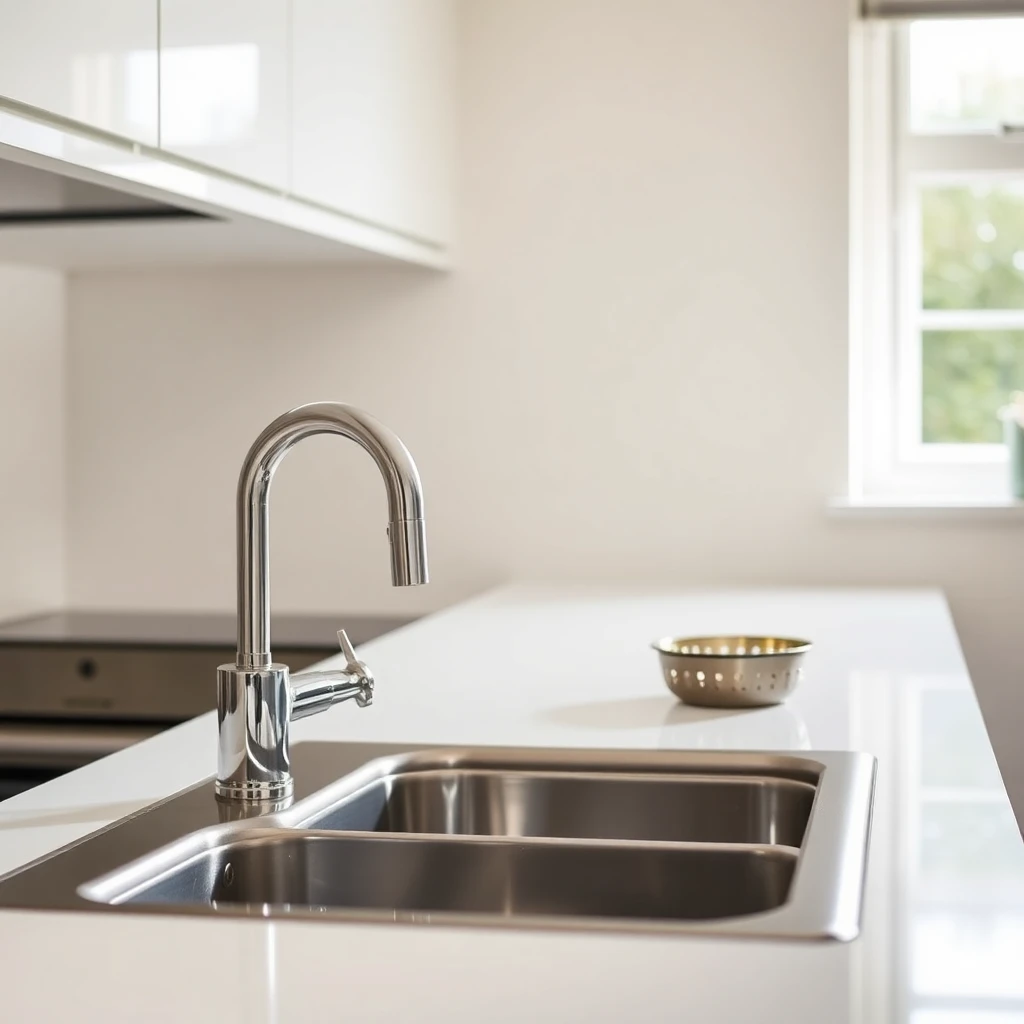
Kitchen drains take a lot of abuse. Cooking oil, food scraps and soap residue all go down the sink. As a result, the kitchen is a common place for a blockage to start.
Why Kitchen Drains Block So Easily
The main culprit is fat, oil and grease, often called FOG. When hot, it is liquid and flows away. However, it cools inside the pipe and sticks to the walls. Over time it traps other debris and forms a full blockage.
Daily Habits to Prevent Blockages
Never Pour Grease Down the Drain
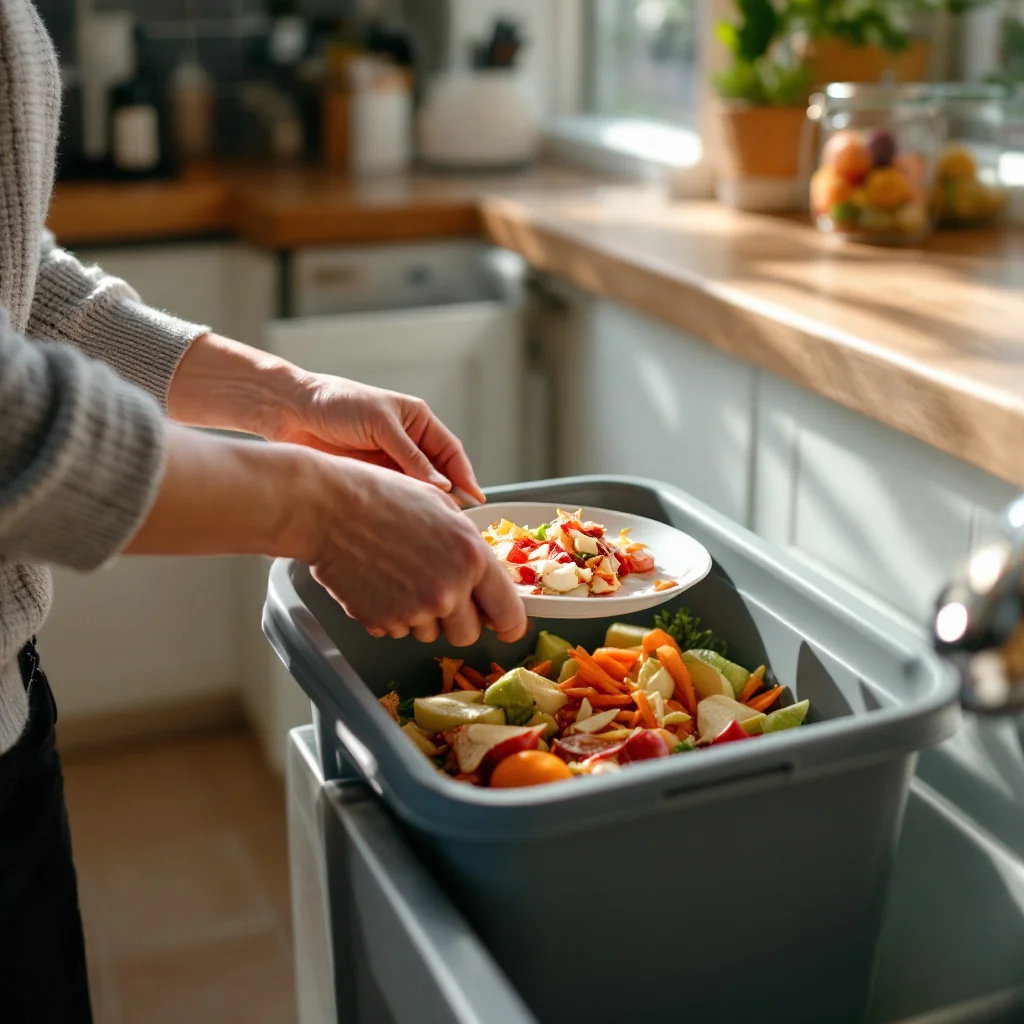
This is the most important rule. Instead of pouring cooking oil or fat down the sink:
- Let it cool and set, then scrape it into the bin
- Pour small amounts into a container and bin it with your household waste
- Take large amounts of oil to your local recycling centre
Use a Sink Strainer
A mesh strainer catches food scraps before they reach the pipe. Empty it into the food waste bin after each use. It costs little, yet it stops a lot of trouble. Wash it out too, so it does not start to smell.
Scrape Plates Before Washing
Remove food from plates, pots and pans before they go in the sink. Even if you have a waste disposal unit, large amounts of food can overload the pipe. Scraping takes a few seconds, so it is an easy habit to build.
Run Hot Water After Use
After you wash up, run hot water for a short while. This helps flush loose residue through the pipes. It matters most after you wash greasy items, because grease is still warm and runny then.
Weekly Maintenance Tips
Hot Water Flush
Once a week, boil a full kettle and pour it slowly down the kitchen drain. The heat helps soften any grease that has started to build on the pipe walls. Do this while the drain is still running freely, because it works best as prevention.
Natural Cleaning Solution
For a deeper clean, try this method once a month. It uses items you already own:
- Pour half a cup of baking soda down the drain
- Follow with half a cup of white vinegar
- Wait about 15 minutes while it fizzes
- Flush with boiling water
This can help break down soft build-up without harsh chemicals. Chemicals can harm older pipes, so a gentle method is safer. It also costs very little. Repeat it each month, and the pipe stays fresher.
What to Avoid
- Chemical drain cleaners: they may clear a minor blockage, but regular use can wear down pipes
- Coffee grounds: they do not clean drains and can add to a blockage
- Flour and starchy foods: these form a paste inside pipes
- Eggshells: they break into small pieces that catch other debris
When to Call a Professional
If water still drains slowly after these steps, or if blockages keep returning, there may be a deeper fault. A CCTV drain survey can show the cause inside the pipe. This helps because you can fix the real problem instead of clearing the same blockage again.
For a stubborn kitchen blockage, drain jetting can clean the pipe walls and remove grease. Rods only poke a hole through it, while jetting washes the pipe. If a blocked sink will not clear, send a request through the contact form, since the form takes requests 24/7.
Advice for Landlords and Shared Houses
A shared kitchen puts more food waste and grease into the drain than a family kitchen. As a result, shared houses block more often. Landlords can cut the risk with a few simple steps:
- Fit a drain guard in each kitchen sink before a new tenancy starts
- Add short drain care notes to your welcome pack, because many tenants do not know oil should never go down the sink
- Think about drain jetting in the gap between tenancies, while the house is quiet
- Book a CCTV drain survey if blockages keep returning
Preventive care costs less than an emergency visit, and it protects the flats below. If you let a shared house in Headingley or Leeds, start with the drain guards. Our guide to the warning signs of a blocked drain is also worth sharing with tenants.
Kitchen Drain Help by Area
Each page below covers jetting or unblocking in one area. They explain what each service involves. If grease keeps coming back, pick the page nearest to you, because local help is easier to arrange.