
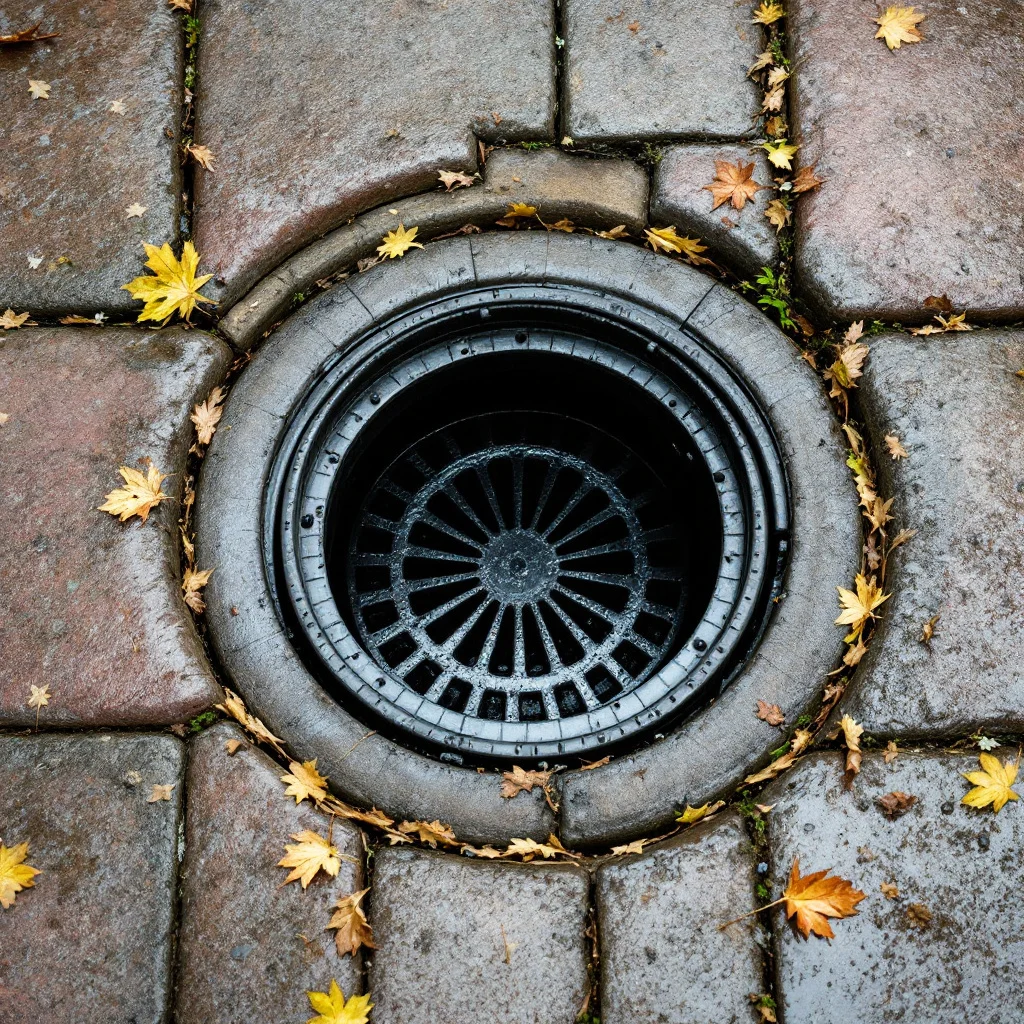
Blocked outside drains are common in UK homes. You can often clear one yourself if you catch it early, because most blockages start at the surface. Water pooling on a patio, an overflowing gully or a bad smell are all signs to act on. Here is a step-by-step guide to clearing an outside drain.
What Is an Outside Drain?
Your outside drains collect rain water and waste water from appliances. This includes washing machines, kitchen sinks and dishwashers. The water runs into gully pots, which are chambers set into the ground. They connect to the underground drain network.
Most blockages happen in two places. The first is the gully grate, the removable grid at the top. The second is the gully pot below it. Leaves, moss, soil and grease build up there over time, while deeper blockages need more work.
Step 1: Find Where the Blockage Is
Before you start, work out where the problem lies. Ask yourself these questions, because the answers show where to look:
- Is one gully blocked, or are several outside drains slow?
- Is the pot full of standing water, or does it back up even though it looks clear?
- Is there a sewage smell, which suggests foul water is involved?
If only one gully has a problem, the blockage is likely in or just below that gully. If several drains are slow, it is probably further along a shared run, since they all join there.
Step 2: Remove the Grate and Clear Debris
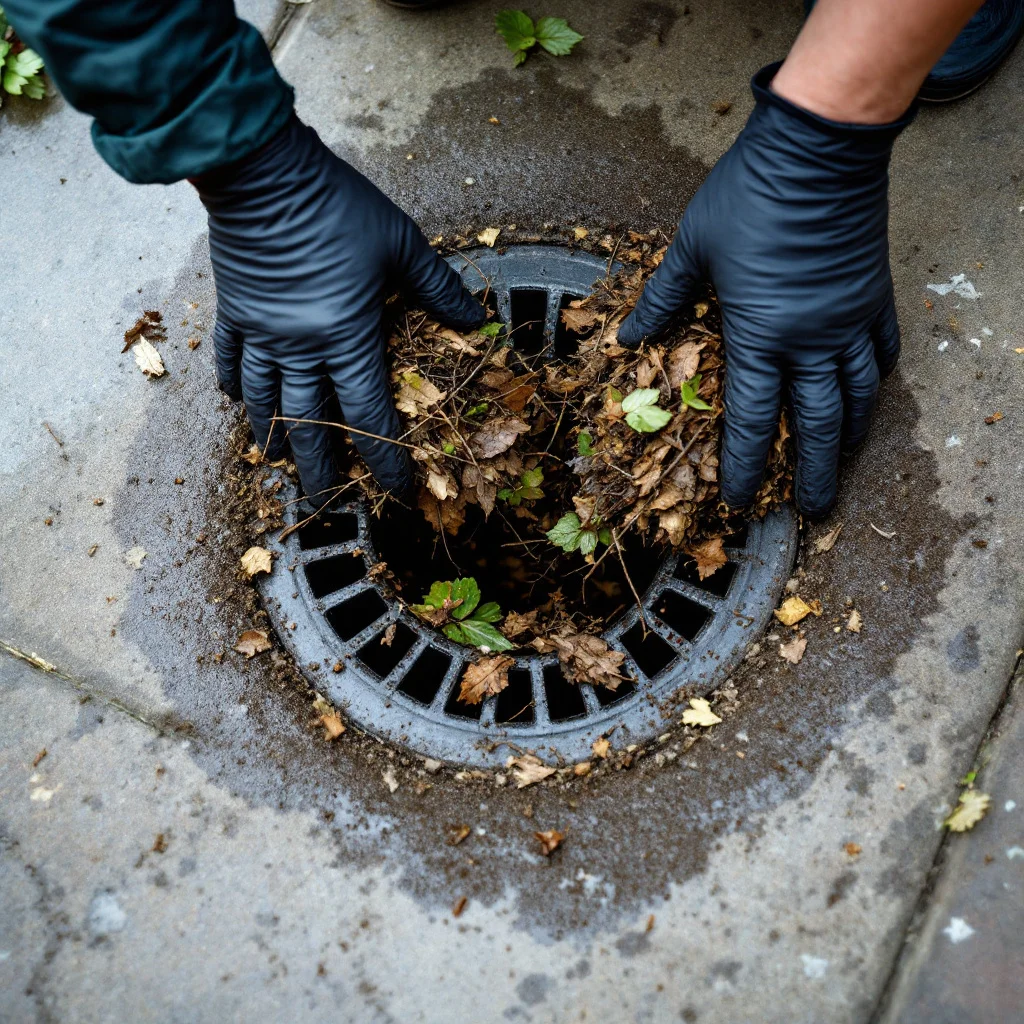
Put on rubber gloves. Lift the gully grate and remove the leaves, silt, moss and grease. Put them in your general waste bin. This step alone clears many outside drain blockages, so it is always the place to start.
Then flush the gully with a bucket of water. Watch to see whether it drains freely, because a slow flow means the blockage is still there.
Step 3: Clear Inside the Gully Pot
With the grate off, look down into the pot. If it is full of water or sediment, scoop out the water with a jug. Remove the sediment with a gloved hand or a small trowel. Pay close attention to the outlet at the bottom, since this is where blockages most often form.
Flush with clean water and watch how fast it drains. If it is still slow, move on to the next step.
Step 4: Hot Water and Degreaser
Kitchen and appliance drains often block with grease. Treat them before you try rods, because grease blocks rods too. Follow these steps:
- Pour a kettle of hot water into the pot, but avoid boiling water in plastic gullies
- Add a good squirt of washing-up liquid or a drain degreaser
- Wait 15 to 20 minutes while it works on the grease
- Flush with cold water and test the flow
Skip this step for drains that only carry rain water from gutters. A degreaser will not help with leaves or silt, since they are not grease.
Step 5: Plunger or Drain Rods
If the gully is clear but the drain below is still blocked, try a plunger. Cover the cup with water in the gully and make a firm seal on the outlet. Push and pull firmly. This can move a soft blockage in the first metre or two of pipe.
For blockages further down, use drain rods. Connect two or three rods and feed them into the outlet. Push gently towards the blockage, and turn the rods clockwise to hook or break it up. Always turn clockwise, because turning the other way can unscrew the rods and leave them stuck in the pipe.
Step 6: When to Call a Professional
Know when to stop. Call a drainage company if any of these happen:
- The blockage has not moved after half an hour of rodding
- The drain clears but blocks again within days
- Sewage is coming up, and not only rain water
- You hear gurgling inside the home when you use the outside drain
- Several drains are affected at once
- You think the blockage sits in the underground pipe beyond the gully
High-pressure water jetting can clear blockages that rods cannot reach. It also cleans grease from the pipe walls, so it helps prevent a quick repeat. If a drain keeps blocking, a CCTV drain survey can find roots, a collapsed pipe or a displaced joint.
Who Is Responsible: You or Yorkshire Water?
This question matters because it decides who pays. Yorkshire Water looks after the public sewers. Your own drain is your job. Its guide says that if neighbours have the same problem, the blockage is probably in its sewers, while a fault that affects only one room is almost certainly in your own pipes. A blockage outside your boundary, or in a pipe you share, can be Yorkshire Water's job since the private sewer transfer in October 2011. If you are unsure, ask Yorkshire Water.
Leeds City Council says homeowners are responsible for drains that serve their property within the boundary. It also says Yorkshire Water covers shared sewers outside the boundary. You can read both on the Yorkshire Water blocked drains page and the Leeds City Council drains and gullies page.
Here is how to tell in practice. Use these checks because they save time:
- If only one room is affected, the fault is almost certainly in your own pipes
- If several neighbours are affected, the fault may be in a shared drain or the public sewer
- If you are unsure whether a pipe is yours, ask Yorkshire Water
- A CCTV drain survey can locate the fault and give you a report to share with Yorkshire Water
Outside Drain Blockages in Different Areas
Leaves are a common cause in autumn. They rot and mat together in gully pots, so clear them before the wet weather. This helps most on tree-lined roads in places such as Roundhay or Horsforth.
In villages and market towns, older pipes and hedges can add to the problem. Roots from a hedge can enter an old joint, for example. While the drain still runs, you can act early. If you live in Wetherby, keep gullies clear and watch for slow drains.
Newer estates can have their own problems. Builders may leave silt or debris in the drain runs. A jetting treatment can clear it, and a camera check can confirm the route of the drain. If you live in Garforth, ask an engineer about this.
Get Help With a Blocked Outside Drain
If DIY has not worked, a drainage engineer can help. Ask whether there is a call-out charge, because it changes the total cost. Also ask for a written quote before work starts. You can send a request through the contact form, which takes requests 24/7. Say it is urgent in the notes if water is entering your home.
For Leeds and nearby towns, see the drain unblocking page. For the cost side, read our drain unblocking cost guide. If you see sewage, read what to do in a drain emergency.
Outside Drain Help by Area
Each page below covers outside drain help in one area. Pick the page nearest to you, because each one covers a single place.