There are two main ways to clear a blocked drain. One is the drain rod. The other is high-pressure water jetting. Each has a place, yet the results differ. Know how they compare before you choose.
Traditional Drain Rods
People have used drain rods for a long time. They are flexible rods that screw together, with different heads for breaking up a blockage. They suit small jobs, while bigger ones need more.
How They Work
The rods go into the drain and push towards the blockage. The user turns and pushes them to break up or move whatever is in the way. It works well when the blockage is soft and close, because the rods can reach it easily.
Advantages of Drain Rods
- Low cost: rods are cheap and easy to buy
- Simple to use: a beginner can learn the basics
- No power needed: you can use them almost anywhere
- Good for simple blockages: they can shift loose debris and light build-up
Limitations of Drain Rods
- Limited reach: rods only go as far as you can push them
- Can leave debris behind: they may push material further down the pipe
- Risk of damage: careless use can crack a pipe
- Hard work: a tough blockage takes a lot of effort
- Walls stay dirty: rods do not clean the pipe walls
High-Pressure Water Jetting
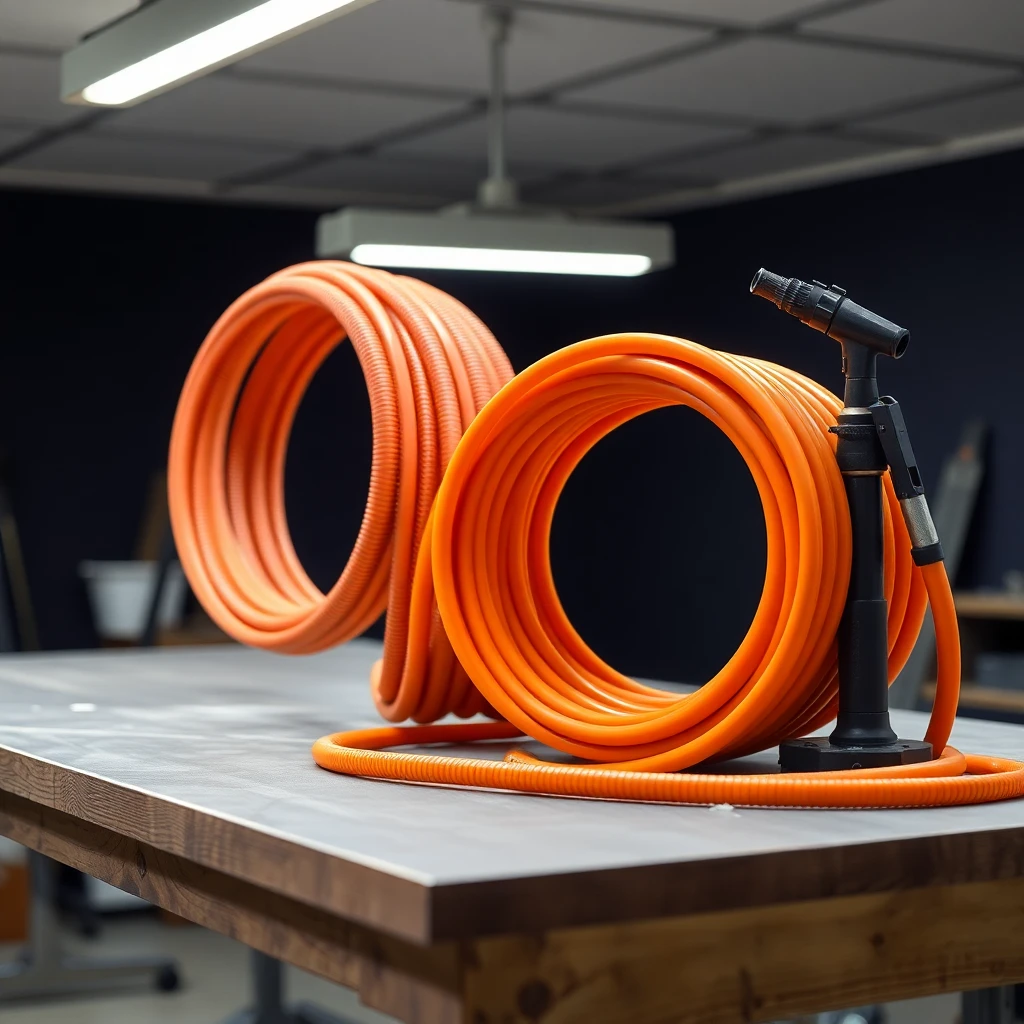
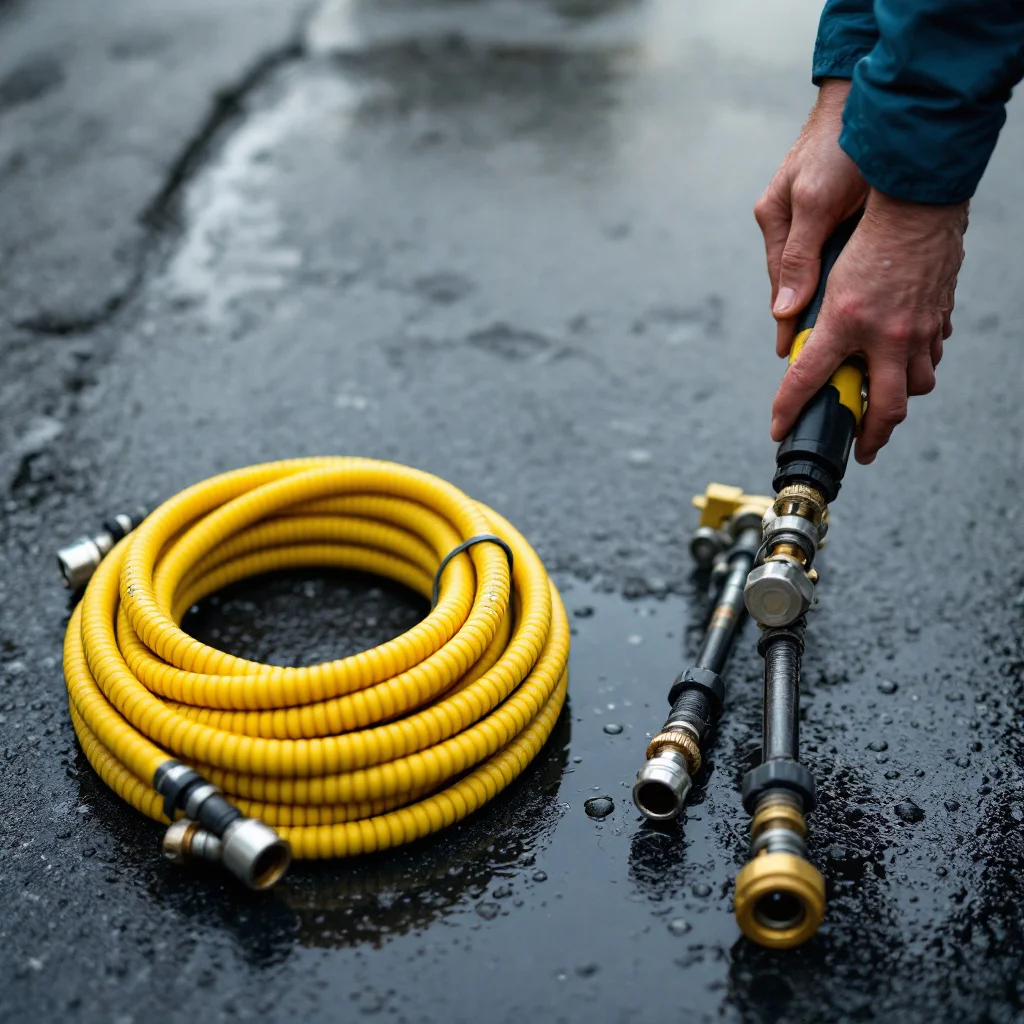
Jetting uses a pump and a hose with a special nozzle. The nozzle fires water at very high pressure. This breaks up the blockage and washes it along the pipe. Because the water does the work, the pipe gets clean too.
How It Works
An engineer feeds the hose into the drain. Jets point forward to cut through the blockage, while jets pointing back pull the hose along. The water flushes the debris back towards the access point.
Advantages of Jetting
- Clears more: it breaks up and washes out most debris
- Cleans pipe walls: it removes grease, scale and build-up
- Longer reach: the hose can travel a long way along the pipe
- Preventive: regular jetting can stop blockages returning
- Gentle on sound pipes: when used with care, it suits modern pipes
Limitations of Jetting
- Needs special equipment: it is not a DIY job
- Needs water: the equipment uses a good supply of water
- Costs more: it is dearer than basic rodding
- Not for damaged pipes: high pressure can make cracks worse
When to Use Each Method
Use Drain Rods For
- Simple blockages you can reach
- Blockages you can see from the access point
- Very minor slow drainage
- Cases where no engineer is available yet
Use Professional Jetting For
- Stubborn or repeat blockages
- Fat and grease build-up
- Tree root growth in the pipe
- Complete blockages
- Preventive maintenance
- Commercial kitchens and other busy sites
- Any blockage that rods cannot clear
Why Many Engineers Prefer Jetting
Jetting often clears blockages that rods leave behind. Because it washes the whole pipe, the drain ends up clean, not only clear. Clean pipes are also less likely to block again soon.
Water flow can give clues too, since the way it moves shows how clear the pipe is. If water does not move as it should, there may be a fault. In that case, a CCTV drain survey can show what is wrong.
What a Careful Engineer Does
Whoever you hire, a careful engineer will follow a clear order. Ask them whether they plan to do these steps, because a clear order avoids missed faults:
- Check the problem and the access points
- Pick a suitable method and nozzle
- Clear the blockage
- Check that water flows freely
- Advise on how to prevent a repeat
Also ask whether a camera check is worthwhile, since jetting alone will not fix a crack. A camera can show root damage or a break.
Cost Comparison
Rods may look cheaper at first, but a few things can change that. Rods may not clear the blockage, so you may need an engineer anyway. A partial clear can lead to repeat blockages, and careless rodding can damage a pipe. Pipe damage costs far more to repair than a clear, because digging is slow.
If you suspect damage, a CCTV drain survey can confirm it before you spend more, while the problem is still small. Then you can decide whether you need drain repairs. For a guide to what affects the price, read our drain unblocking cost guide.
When Jetting Helps Most
Some situations suit jetting better than rods. Here are four common cases.
Tree roots: roots can grow into old clay pipes through the joints. A root-cutting nozzle can remove the mass and restore flow. However, roots grow back, so the drain may need regular care.
Grease in shared houses: a busy kitchen builds up grease fast. Jetting removes grease from the pipe walls, while rods tend to push it down the line. A clean before each new tenancy can help.
Silt after heavy rain: drains can fill with silt and leaves after a storm, because rain carries debris into gullies. Jetting washes this out faster than rods can. Commercial kitchens: restaurants and cafes put a lot of fat into their drains, because their kitchens cook all day. Regular jetting and a good grease trap help keep the pipes clear.
Find Drain Jetting Near You
Looking for jetting in your area? Our page on drain jetting in Leeds is a good place to start. The pages below cover other areas, since each covers one place. Pick the one nearest to you.
- Drain jetting in Headingley
- Drain jetting in Roundhay
- Drain jetting in Horsforth
- Drain jetting in Garforth
- Drain jetting in Rothwell
To ask about a job, use the contact form. It takes requests 24/7.